

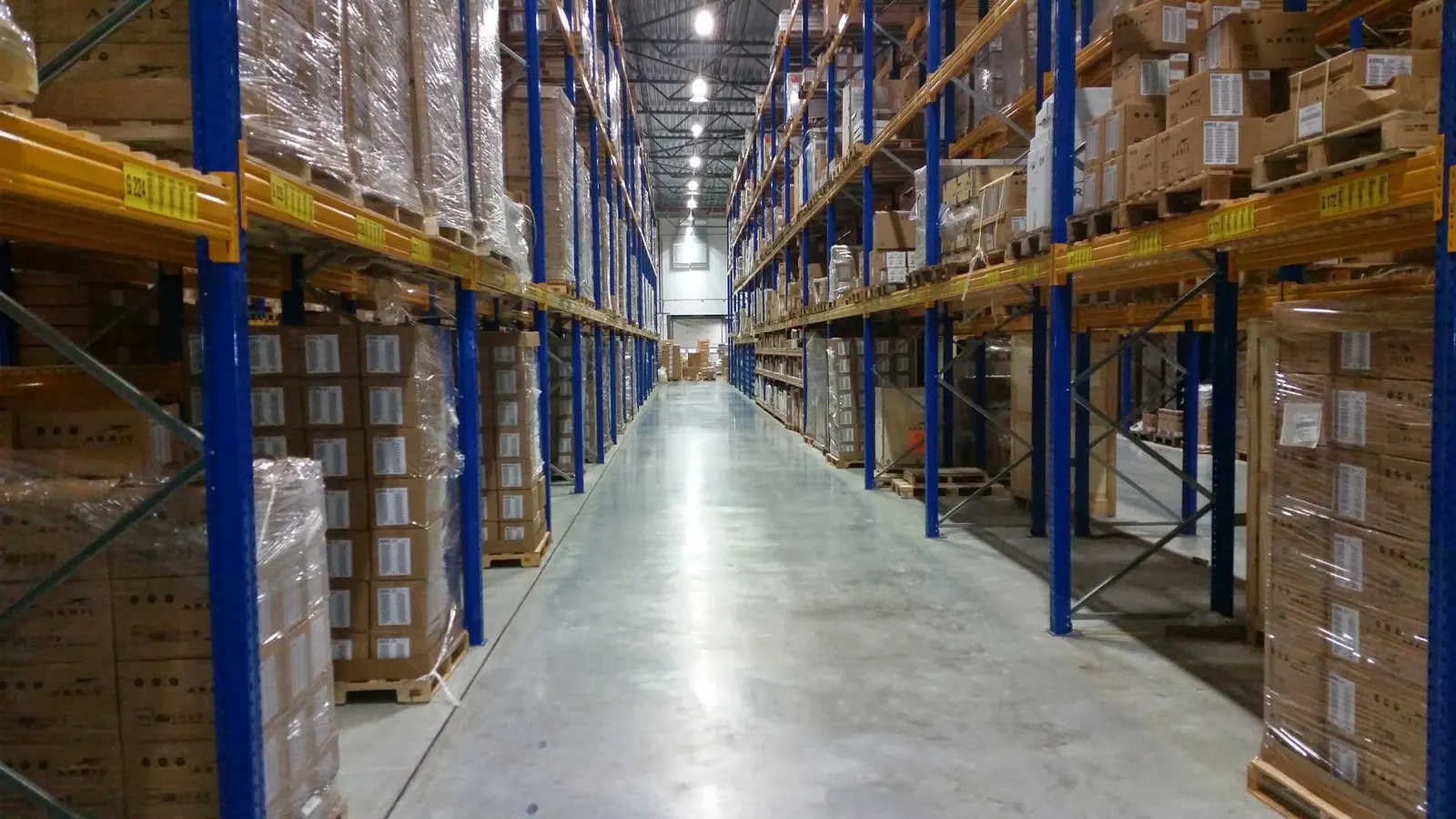
Full Truckload Transportation cargo and freight transportation
DEDICATED SHIPMENT PLANNING

Full Truckload Transportation

We work with full truckload (FTL) inquiries that call for a dedicated shipment plan. Our team reviews the commodity, total weight, loading process, requested dates and receiving requirements so the transportation discussion covers more than the distance between two ZIP codes. We consider equipment fit and scheduling details before confirming a proposed move.

REQUEST A FREIGHT QUOTE
Shipment planning

Capacity for the shipment, focus on the details.

We begin with the commodity, loading environment and receiving destination. The details below can help you prepare an inquiry for our dispatch team and explain the handling requirements of your shipment.

Equipment and loading context for Full Truckload Transportation

Every load has its own requirements. Share cargo dimensions, loading procedures and receiving instructions with our dispatch team so we can review equipment suitability.

A shipment begins before the truck arrives

Effective truckload planning begins with a clear description of the commodity, total weight, number of handling units and approximate dimensions. The shipper should identify whether the freight is palletized, floor-loaded, unusually tall or requires special securement. Those details shape the equipment discussion and reduce uncertainty when the vehicle reaches the origin. Full truckload is commonly considered when freight volume, handling needs or a preference for one shipment moving together makes a dedicated trailer arrangement appropriate.

Pickup, transit and delivery coordination

Pickup and delivery windows are more than calendar entries. Facilities may require appointment numbers, check-in procedures, identification, dock assignments, pallet exchange instructions and detention rules. Customers should disclose these requirements during the quote request so that planning can account for them. Transit timing is evaluated in light of distance, operating regulations, facility access and the actual needs of the shipment. Availability and schedules must be confirmed for each request; no automatic transit-time promise is implied.

Freight documentation that travels with the load

A bill of lading commonly identifies the shipper, consignee, commodities, quantity and other shipment particulars. Accurate paperwork supports pickup verification, delivery acknowledgement and follow-up if a detail requires clarification. Commercial freight may also involve purchase-order references, seal instructions, special receiving protocols or temperature notes. Consistency between the physical cargo and the documentation makes transportation coordination much more straightforward.

A practical approach for commercial freight

At Praising God Enterprises, we focus on commercial freight transportation from our base in La Feria, Texas. We welcome full truckload inquiries involving general merchandise, fresh produce, refrigerated food, beverages and paper products. We begin with the actual commodity, weight, pickup and destination details, then discuss trailer suitability and scheduling. Each movement is reviewed before equipment and transportation terms are confirmed.

Practical shipping guidance

Before arranging the movement

Confirm freight readiness before setting the pickup

An efficient full truckload request includes loading method, product quantity and a realistic pickup window. A trailer assigned to one customer's shipment still has to work within access rules at both facilities and the applicable limits of commercial road transportation. Dispatch details, appointment references, and any required protective materials belong in the earliest conversation.

Define what the consignee actually needs

The person arranging the movement may not be the person receiving it. Ask whether the receiving dock requires appointments, reference numbers, pallet exchanges, seal checks or specific unloading equipment. Separating these requirements from the freight price conversation helps prevent surprises once the shipment is underway.

COMMON APPLICATIONS

Commercial applications

  • Palletized wholesale shipments
  • Commercial merchandise moving to distribution centers
  • Single-shipment trailer arrangements
  • General cargo and packaged goods
WHAT TO INCLUDE

Shipment information

  • Origin and destination with facility hours
  • Commodity description and total weight
  • Pallet count, dimensions and loading method
  • Requested pickup date and receiving appointment
Shipment inquiry

Share the load, the pickup and the delivery requirements.

Equipment, schedule and cargo suitability are confirmed for each request.

START A FREIGHT QUOTE