
Equipment and transport — commercial trucking and freight environment
Equipment and transport

BUILT AROUND THE ROAD.

Our fleet and equipment planning starts with the freight: what it weighs, how it is loaded, how it must travel and what the receiving facility needs.

REQUEST FREIGHT AVAILABILITY
Commercial equipment

Equipment numbers tell part of the story. Shipment compatibility completes it.

Our Fleet · May 2026

Operating figures as of May 4, 2026. Contact dispatch to discuss equipment availability for your shipment.

21Power units
21Drivers
30Owned trailers
2,309,781Reported 2025 miles
Transport in focus

Equipment through a practical lens

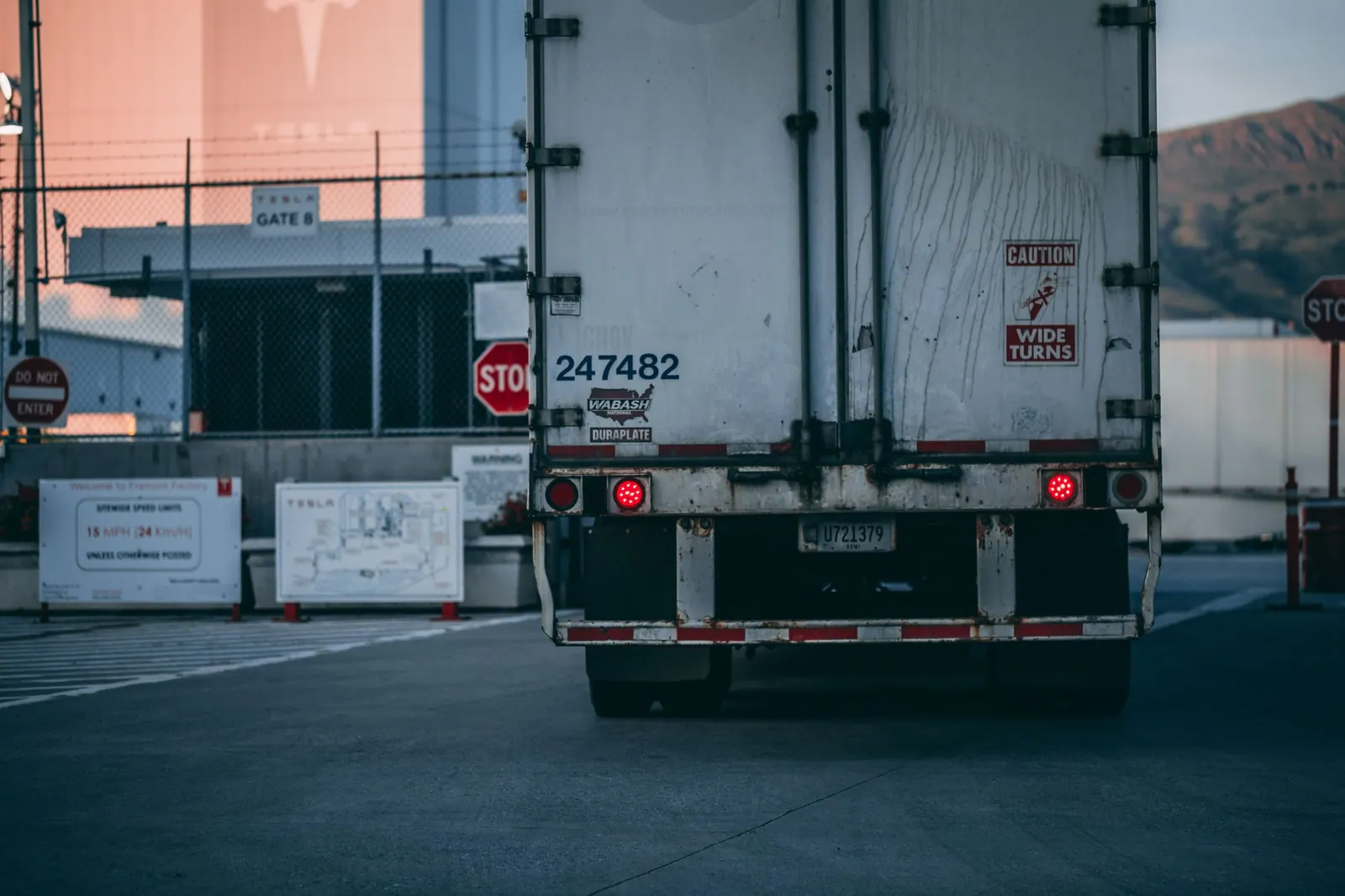
Enclosed trailer suitability depends on the commodity and loading requirements.
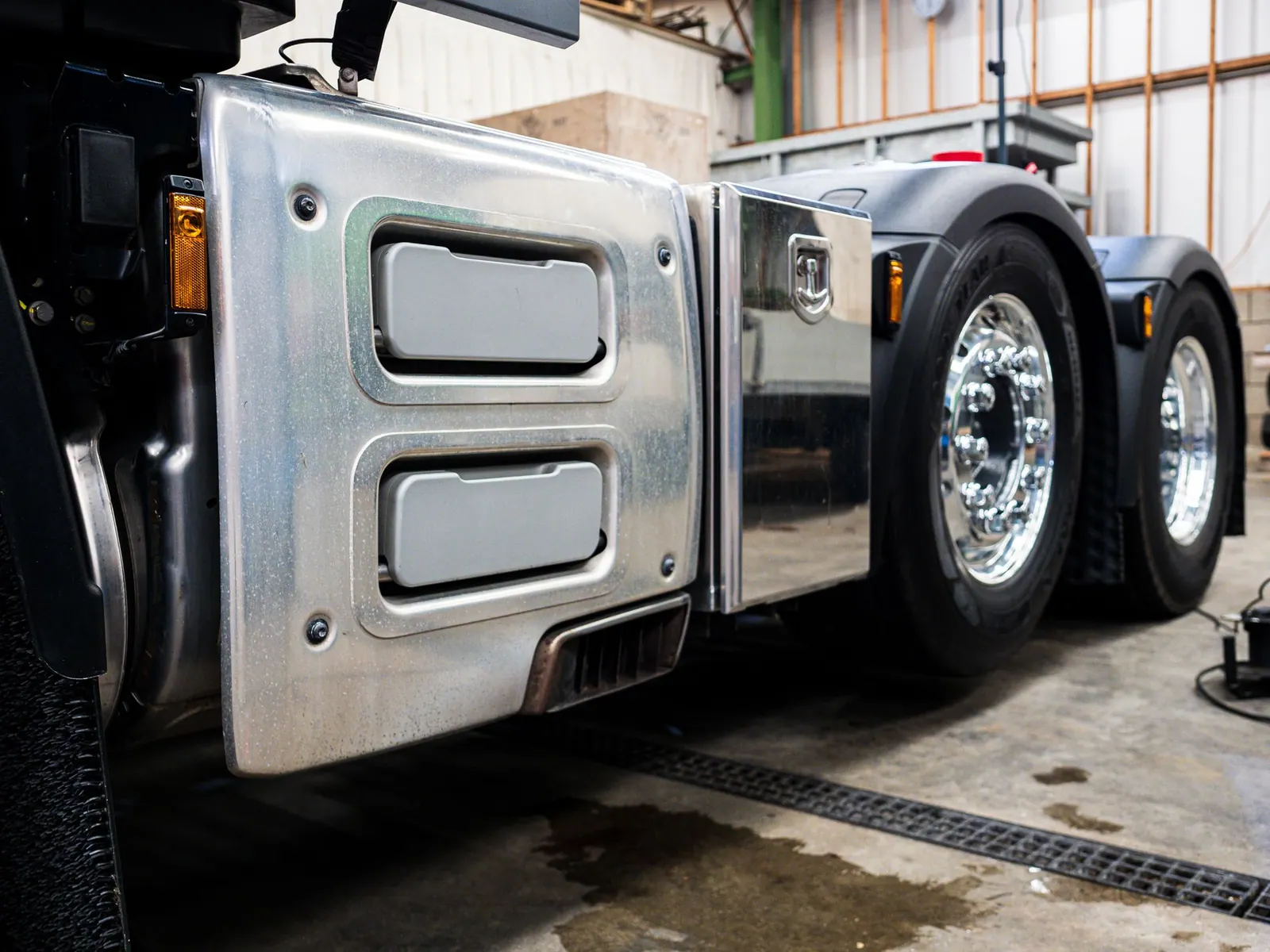
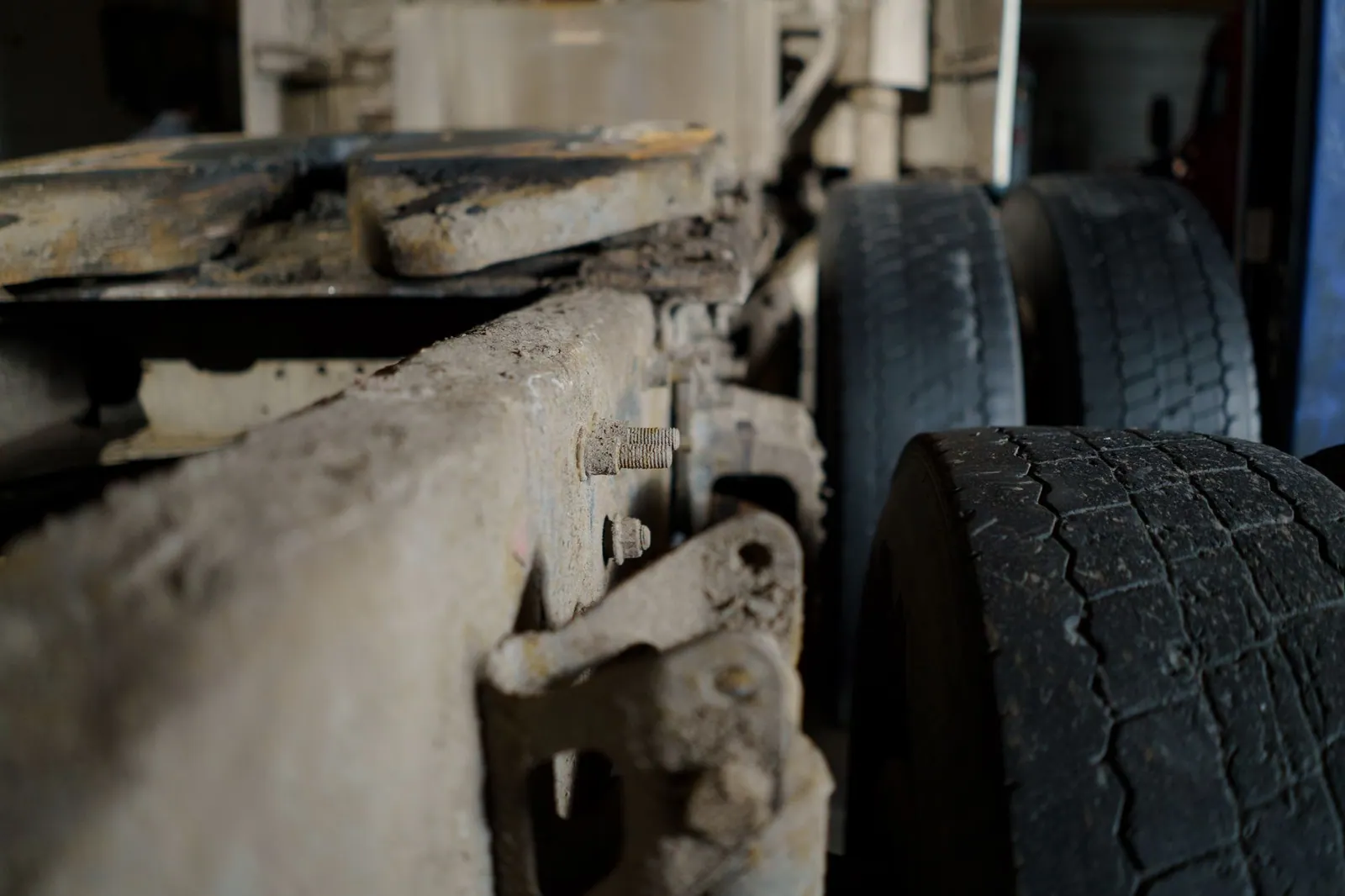
Mechanical details are an important part of commercial equipment.
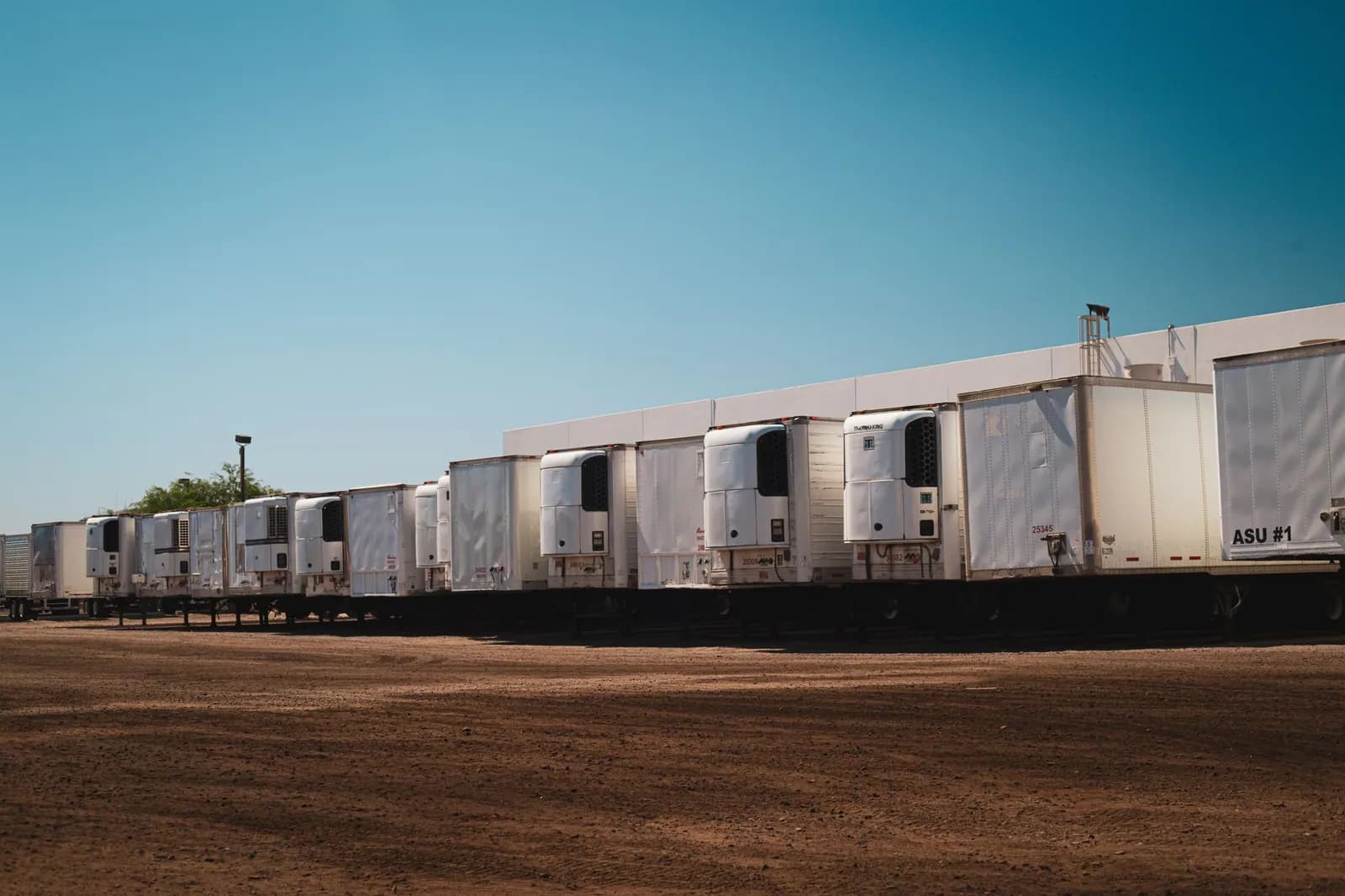
Refrigerated equipment calls for product-specific transport instructions.
Axles and tires are essential elements of vehicle inspection.
Facility compatibility should be confirmed for each pickup.

Reported commercial fleet at a glance

Our fleet overview for May 4, 2026 includes 21 power units, 21 drivers, 21 owned truck tractors and 30 owned trailers. Our reported 2025 vehicle mileage was 2,309,781 miles. These figures describe the operation at the reporting date, not equipment guaranteed to be open for a new shipment today. We review real availability and suitability with customers for each inquiry.

Tractor-trailer transportation

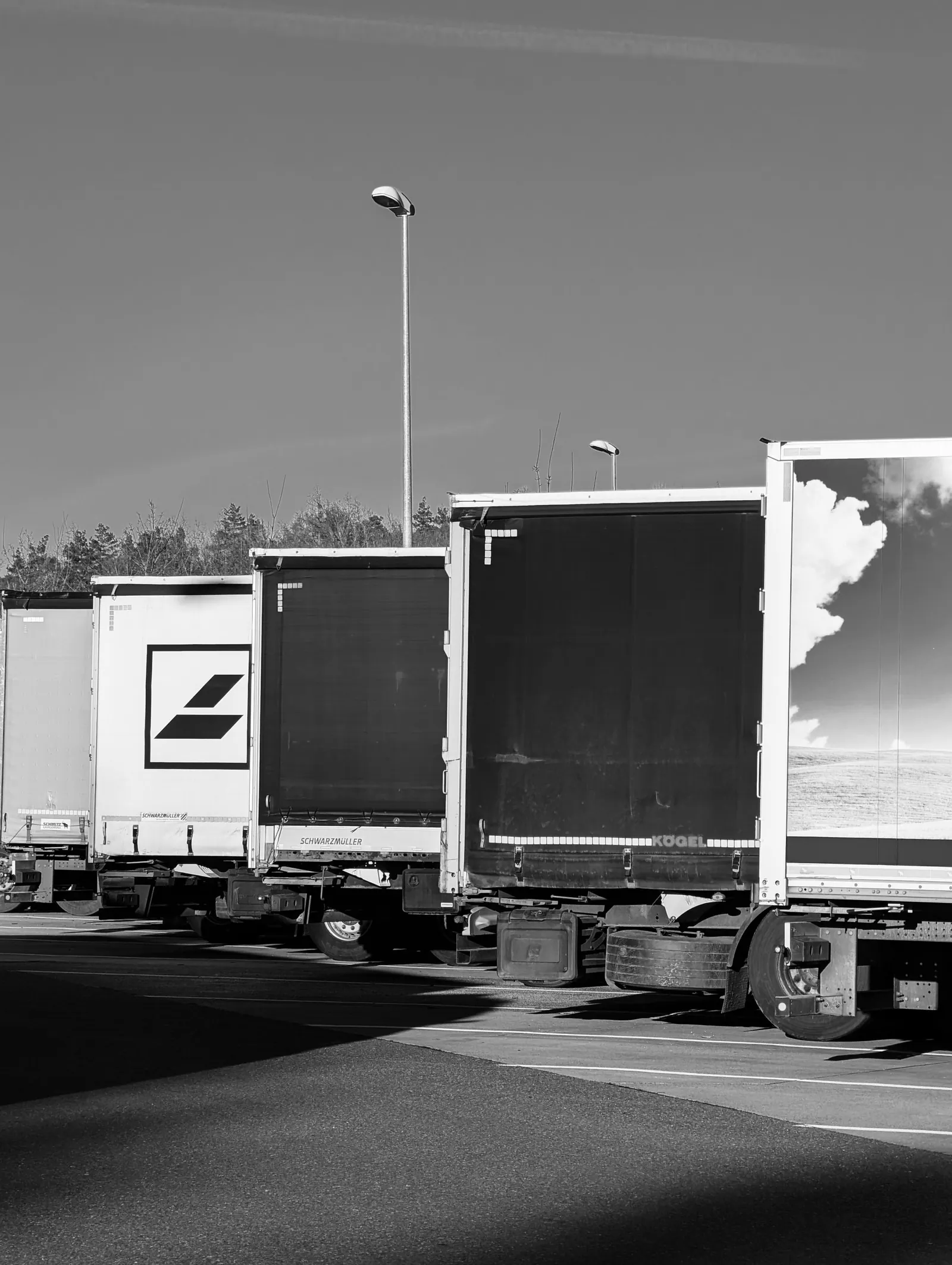
Our transportation work involves commercial tractor-trailer equipment and the practical demands of freight moving over the road. Trailer and tractor suitability depend on gross weight, cargo dimensions, securement needs, loading method and access at both facilities. We ask for those specifications before discussing an arrangement. The type of cargo matters as much as the distance to be driven.

Dry van applications

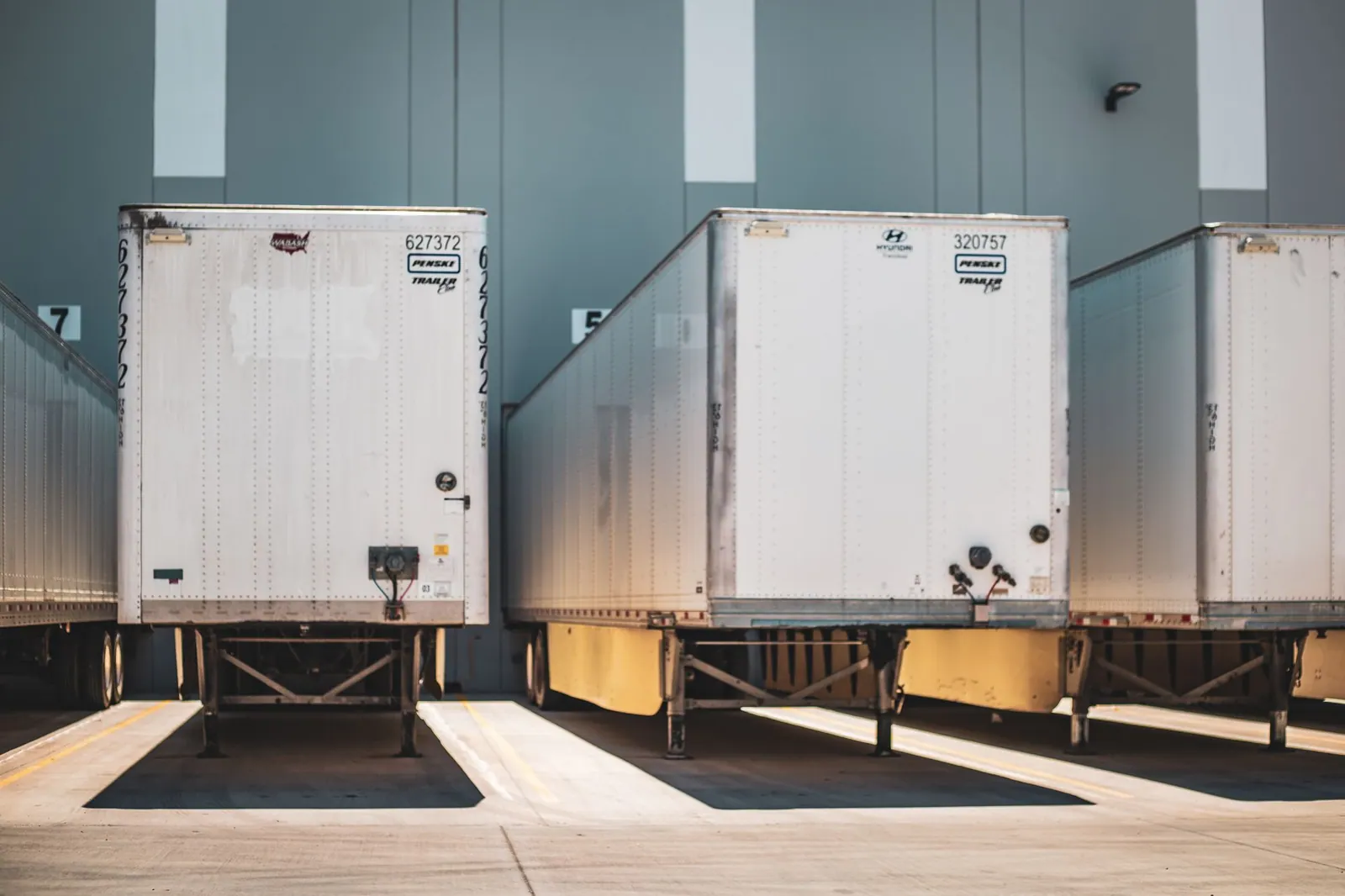
We discuss enclosed dry van transportation for packaged goods, paper products and other commercial cargo that does not require active refrigeration. A suitable dry van helps protect freight from routine external exposure, but proper packaging, stable palletization and securement are still essential. We review load geometry, weight distribution and any unusual handling needs before confirming the equipment.

Refrigerated trailer applications

We work with refrigerated freight inquiries where cargo condition and specified transport temperatures require particular care. Fresh produce and refrigerated food can have very different requirements for preparation, airflow, loading and receiving. We ask shippers to supply the necessary temperature and handling instructions so we can assess equipment suitability. A requested set point and pickup window must be discussed for the actual available trailer.

From specification to equipment choice

Before assigning equipment, we need to understand the commodity, packaging, unit count, dimensions, weight, environmental needs and loading arrangements. Dock height, facility access and appointment procedures can influence whether a proposed movement is practical. For unusual loads or special handling requests, we may ask for additional details. Complete information supports safer preparation and more productive coordination.

Fleet reporting is not a booking engine

Our fleet figures provide background on the scale of operations at a particular reporting date. They do not show today’s dispatch assignments or open trailer capacity. Trucks may already be moving freight or may be unavailable for other operational reasons. Send our dispatch team a complete shipment brief so we can review the equipment, timing and commercial conditions relevant to your request.

Equipment and transport

Beyond the fleet figures

Matching equipment to the shipment

Our equipment discussions start with the actual load. We need to understand commodity, gross weight, dimensions, pallet arrangement, securement requirements and loading or receiving restrictions. Temperature-sensitive shipments add specific transport conditions and handling instructions. We review those factors before discussing dry van or refrigerated trailer suitability and actual scheduling availability.

What the public fleet figures mean

Our May 2026 fleet overview lists 21 power units, 21 drivers, 21 owned truck tractors and 30 owned trailers. The 2025 mileage total was 2,309,781 vehicle miles. These figures are reported operating statistics from a defined period rather than a live dispatch schedule. For each freight inquiry, we review current equipment options and the conditions of that particular shipment.

Preparation at the dock

We ask customers to identify loading method, dock height, appointment windows, check-in procedures, seals and any site access restrictions. Receiving facilities may have their own hours, purchase-order references and unloading expectations. When the bill of lading and the actual cargo match, everyone involved has a clearer foundation for coordination. We encourage customers to share these details before the planned pickup.

Tell us what equipment the shipment requires

Discuss a specific freight requirement.

REQUEST FREIGHT AVAILABILITY