





The freight we carry — commercial trucking and freight environment
The freight we carry

COMMERCE TAKES MANY FORMS.

We work with shippers moving produce, refrigerated food, beverages, paper products and everyday commercial goods. Each cargo category calls for a practical transportation plan.

REQUEST FREIGHT AVAILABILITY
Industry requirements

Different freight. Different details. A clear plan for the cargo at hand.

Transport in focus

The products behind the shipment

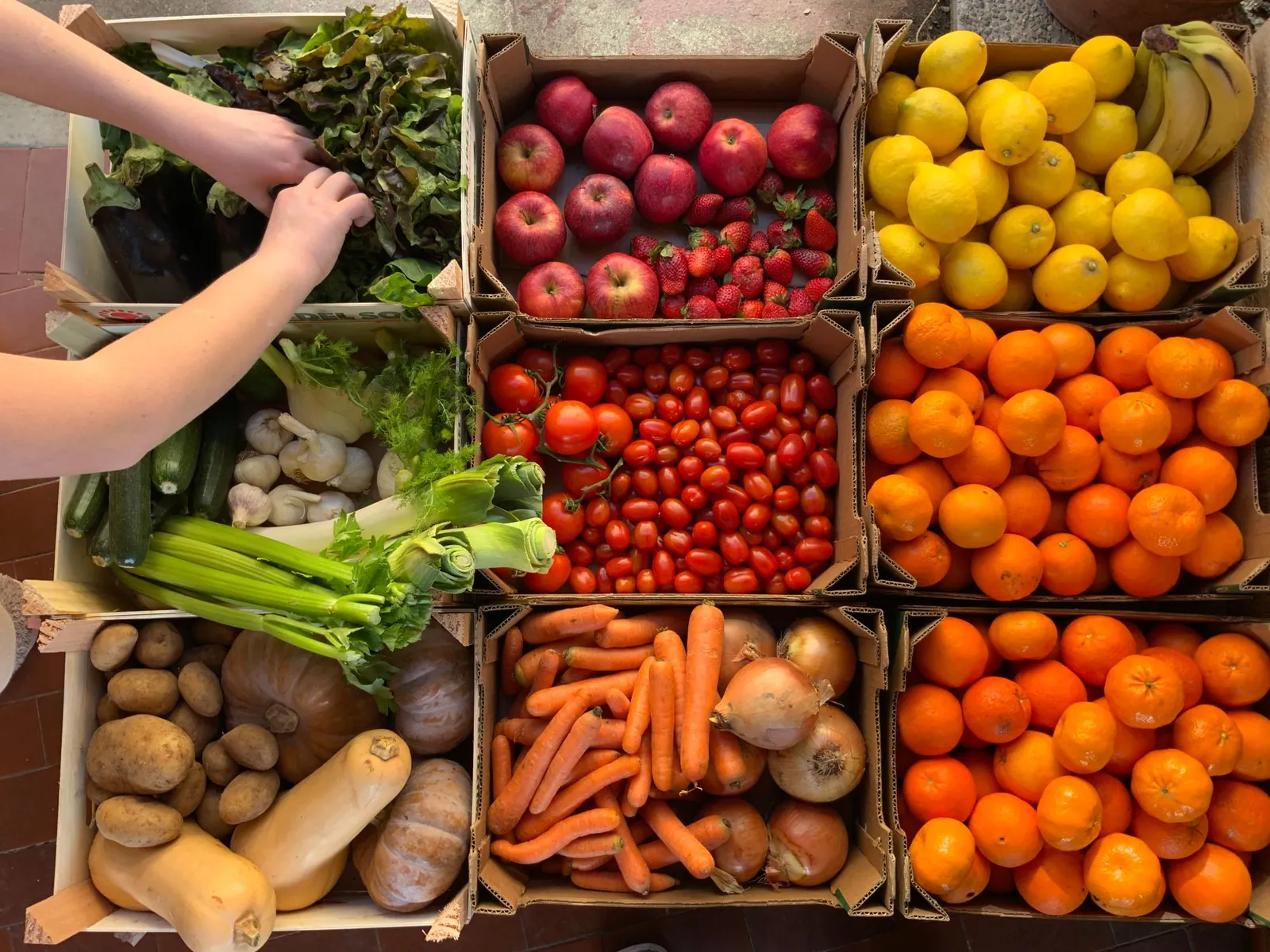
Produce condition and packaging deserve special planning.
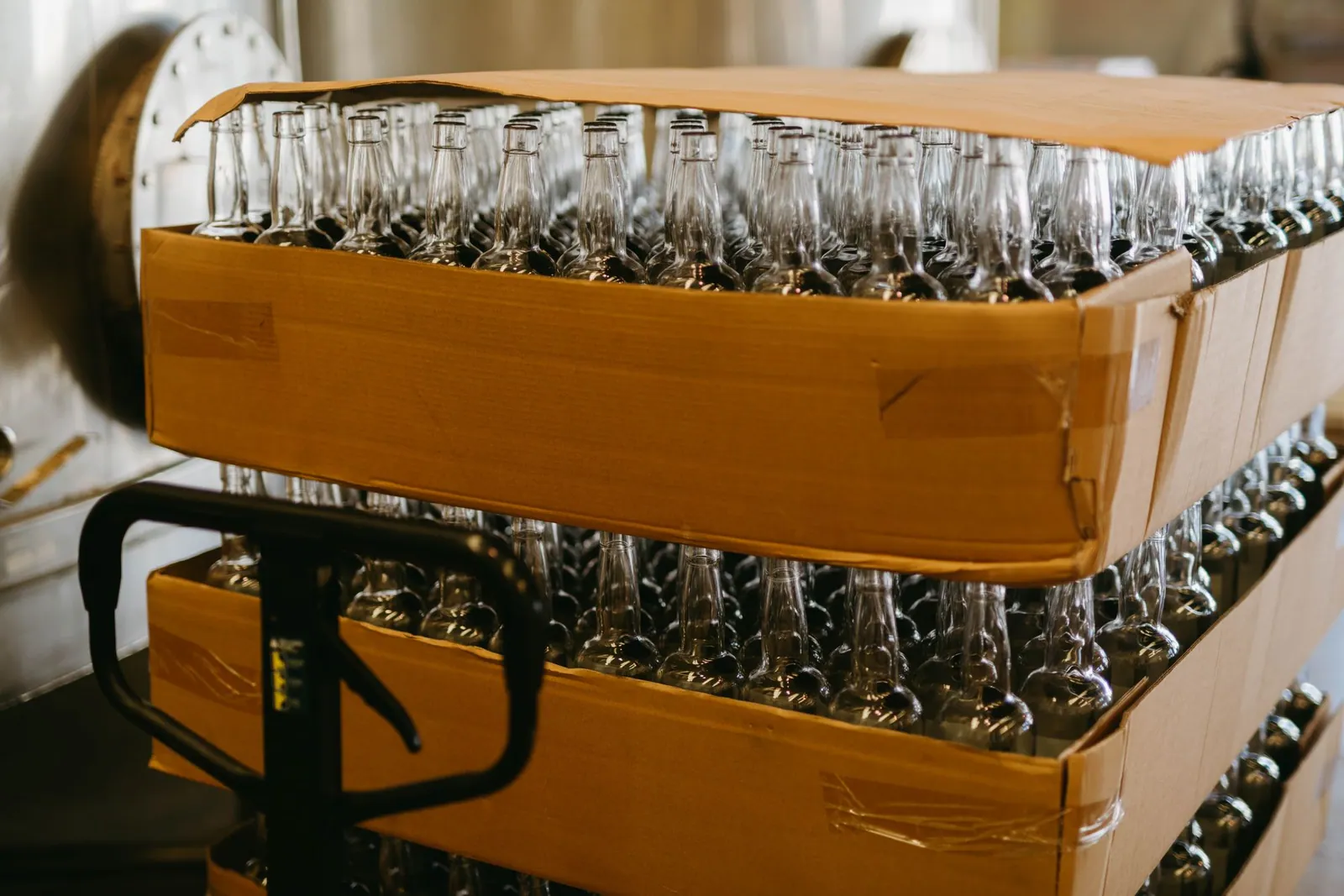
Beverage shipments require accurate weight and handling information.
Paper goods can be sensitive to moisture and handling conditions.
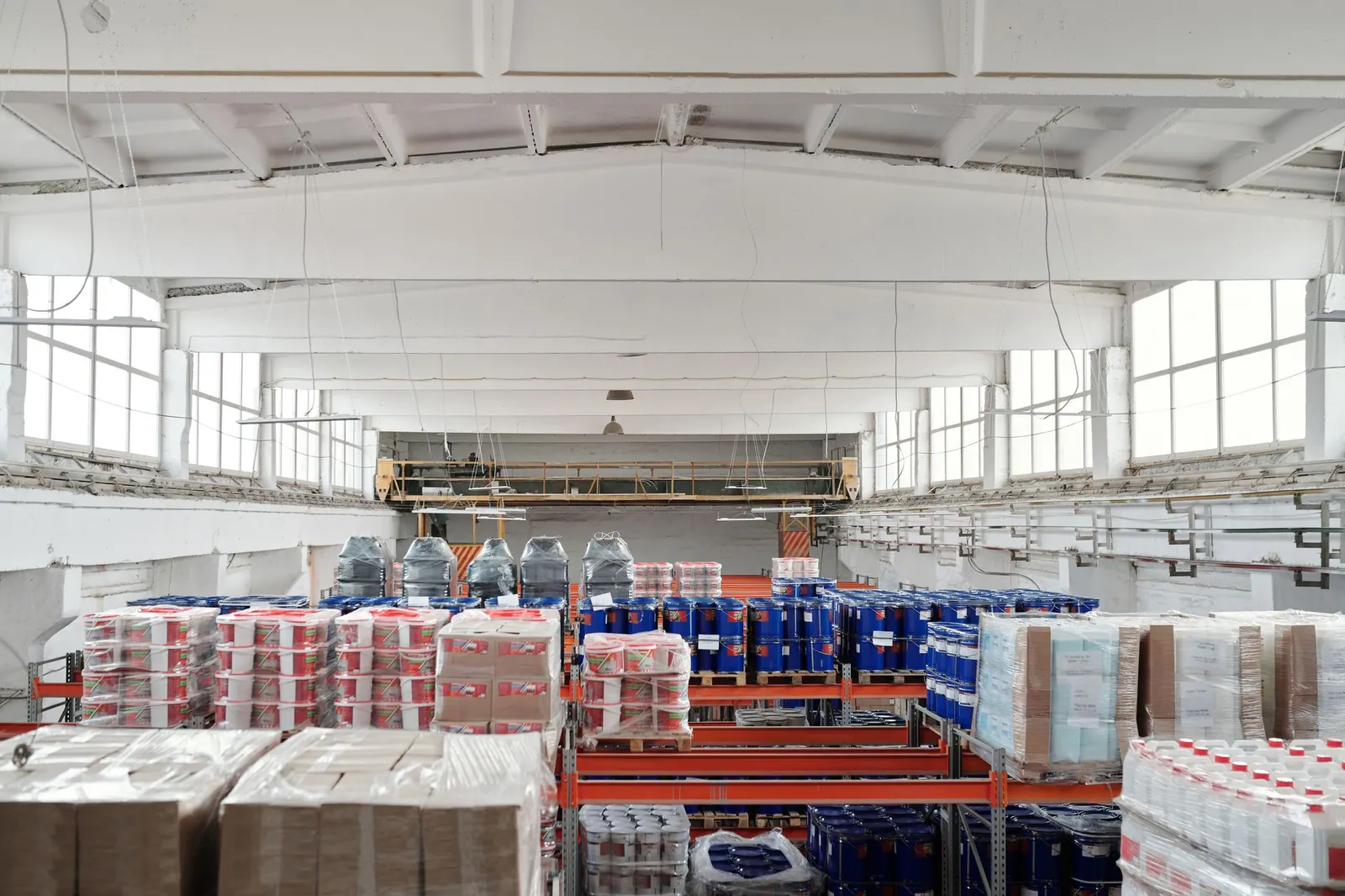
Organized commercial inventory is prepared for scheduled movement.
Fresh products have varying handling and temperature expectations.
Packaging characteristics affect loading and restraint needs.
Palletized containers need thoughtful load distribution.

Agriculture & fresh produce

We work with freight inquiries connected to agriculture and fresh produce distribution. Pickup readiness, product condition, pallet configuration and receiving appointments can be particularly important for perishables. When you contact us, identify the exact commodity, how it has been prepared and any temperature or ventilation instructions. Different types of produce require different conditions, so we review product-specific requirements rather than relying on a single general rule.

Food distribution

Food distribution often involves tightly scheduled pickups and deliveries, purchase-order references and receiving procedures. We ask customers to identify whether goods are refrigerated, packaged or subject to other handling restrictions. Accurate freight weight, product condition and loading details help us discuss suitable transportation options. We coordinate the inquiry around the actual cargo and facility requirements rather than assumptions about a broad food category.

Refrigerated goods

We discuss refrigerated transportation for temperature-sensitive freight, including produce and refrigerated food. Your instructions should specify the required temperature, measurement unit, loading conditions and any pre-cooling or special handling needs. We consider the product’s condition at pickup and the receiving facility’s requirements when evaluating the move. Equipment suitability and timing are confirmed for the requested shipment.

Beverage distribution

We handle inquiries involving beverages and packaged commercial goods, where pallet density, container fragility and total weight may influence loading decisions. Distributors should provide case and pallet counts, gross weight, packaging details and any stacking or temperature limitations. Distribution-center appointments and purchase-order references also matter. We use those details to discuss equipment, pickup arrangements and delivery expectations.

Paper & packaging

We review transportation requests involving paper products, cartons and packaging materials. These loads can require attention to moisture protection, clean enclosed equipment, pallet integrity and proper restraint. Tell us whether the shipment consists of rolls, boxes, wrapped pallets or another format, and provide dimensions, weight and unloading requirements. Complete specifications help us prepare a realistic equipment and handling conversation.

General commercial freight

Our general freight conversations cover a broad range of packaged merchandise and business-to-business goods. Because the category is so varied, we ask for the actual commodity, packaging method, measurements, weight, stackability and any shipping restrictions. Manufacturing sites and distribution centers can have very different loading procedures. We consider those operational details when assessing how the freight may move.

Where operations meet the supply chain

We coordinate shipment discussions with the needs of shippers, brokers and receiving facilities in mind. Each party needs accurate cargo details, a feasible pickup window, receiving references and a shared understanding of the handling instructions. Bills of lading and related paperwork should match the physical freight. Clear advance communication helps us address changes and avoid preventable misunderstandings.

The freight we carry

Planning around the product

Food movement and product condition

We discuss fresh produce and refrigerated food transportation with particular attention to product readiness, packaging, temperature settings and receiving appointments. Shippers should provide the transport instructions appropriate for their commodity, including any pre-cooling or ventilation needs. We review those instructions against the proposed equipment and timing rather than treating all perishable freight as interchangeable.

Beverages, paper and packaged products

Our commercial freight discussions also include beverages, paper goods and packaged merchandise. Dense beverage pallets may require careful weight distribution, while paper products can need protection from moisture, crushing or shifting. We ask for unit counts, gross weight, load dimensions, packaging method and delivery requirements so the equipment and handling conversation reflects the actual cargo.

Commercial freight as a practical partnership

We work with the information shared by shippers, logistics managers, brokers and receiving facilities. A shipper focuses on product condition and pickup readiness, while a receiver needs accurate appointments and documentation. We encourage everyone involved to provide consistent instructions, contact details and freight references so the transportation conversation remains clear from origin to delivery.

Commodity requirements drive the conversation

Discuss a specific freight requirement.

REQUEST FREIGHT AVAILABILITY